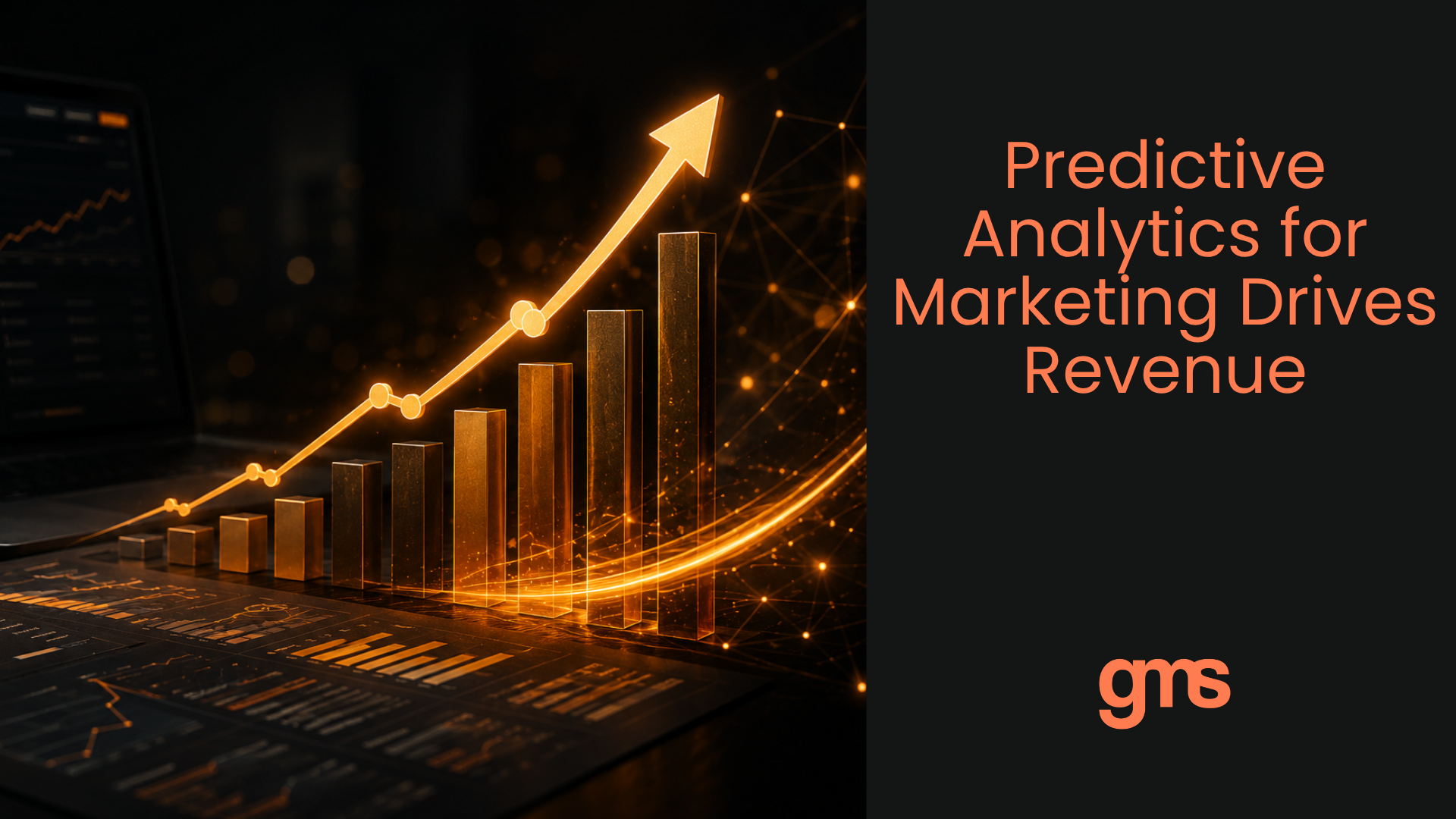
Predictive Analytics for Marketing: Forecast Revenue and CAC Before EOFY Budgets Collapse
Predictive analytics for marketing is becoming the dividing line between brands that scale confidently and brands that panic under EOFY pressure. You’ve probably noticed patterns emerging in your analytics. Some campaigns look profitable one week, then acquisition costs spike without warning the next. Revenue projections shift. Margins tighten. Teams scramble for answers after the damage is already visible. That tension is not random. It signals a deeper problem inside modern marketing systems. Businesses want certainty, efficiency, and profit stability, yet most forecasting models still rely on historical reporting instead of predictive intelligence. Imagine the advantage of identifying revenue shifts before they happen. That is where predictive analytics for marketing changes the game.
Sometimes decision-makers prefer proven systems. Other times they move aggressively when the reward becomes obvious. EOFY creates both instincts simultaneously. Financial pressure intensifies scrutiny around CAC, forecasting accuracy, and ROI visibility. Marketing leaders are expected to protect revenue while improving efficiency under tighter conditions. Because of this, predictive analytics for marketing is no longer optional for brands competing in volatile ad environments. It becomes operational protection. The brands gaining market share are not waiting for dashboards to explain yesterday’s problems. They are modelling tomorrow’s outcomes before competitors react. Once forecasting becomes proactive, confidence starts replacing uncertainty.
Why EOFY Pressure Breaks Traditional Marketing Forecasting
EOFY pressure exposes weaknesses hidden during stable growth periods. Customer acquisition costs rise faster during competitive buying cycles. Paid media auctions become unpredictable. Consumer confidence shifts quickly. Attribution delays distort reporting. Traditional forecasting systems struggle because they rely heavily on lagging indicators. Most spreadsheets only explain what already happened. They rarely forecast what happens next with precision. That delay creates financial risk for businesses trying to maintain profitability while scaling.
Predictive analytics for marketing reframes forecasting from passive reporting into active decision-making. Instead of reacting to inflated CAC after margins compress, predictive systems identify signals before financial pressure escalates. This shift satisfies one core human need: freedom from fear and uncertainty. It also taps into learned wants like efficiency and profit optimisation. Emotionally, it speaks directly to pride, greed, and fear of loss. Marketing leaders want control. CFOs want predictability. Boards want confidence in future performance. Predictive forecasting provides operational clarity during periods where reactive decision-making becomes expensive.
The Hidden Cost of Reactive Decision-Making
Most businesses optimise campaigns after performance declines become obvious. By then, wasted spend has already compounded. Revenue forecasting built on delayed data creates false confidence because historical dashboards cannot predict future market behaviour accurately. Predictive analytics for marketing changes that dynamic by identifying patterns earlier. Metrics like audience fatigue, conversion lag, and rising CPMs often whisper long before revenue begins collapsing. The brands that recognise those signals first protect margins while competitors continue reacting emotionally.
What Predictive Analytics for Marketing Actually Means
Predictive analytics for marketing uses AI, machine learning, historical performance data, and behavioural modelling to forecast future business outcomes. Instead of relying solely on past reports, predictive systems estimate future revenue potential, customer acquisition costs, conversion probability, and campaign efficiency. These systems analyse patterns across customer journeys, paid media performance, CRM activity, and market trends to uncover where growth opportunities and financial risks are likely to emerge.
Many businesses still treat analytics like a reporting tool. That mindset limits growth potential. Predictive analytics for marketing is not just another dashboard. It becomes a strategic intelligence layer guiding budget allocation, campaign timing, audience targeting, and scaling decisions. When brands implement predictive modelling effectively, they reduce emotional decision-making and increase operational certainty. That certainty appeals to another learned want: dependability and quality. It also activates emotional drivers connected to superiority and control because forecasting accurately creates a competitive edge others struggle to replicate.
Predictive Analytics vs Traditional Reporting
Traditional reporting explains previous performance. Predictive analytics forecasts future outcomes. That distinction changes everything. Static dashboards create reactive businesses. Predictive systems create adaptive businesses. Visibility alone does not guarantee growth. Visibility combined with forecasting creates strategic leverage. Imagine identifying future CAC inflation before competitors notice it. That speed advantage compounds profitability faster than most creative improvements alone.
Forecasting CAC Under EOFY Ad Inflation
EOFY periods intensify advertising competition across nearly every industry. More brands enter auctions aggressively. CPMs rise. Conversion rates fluctuate. Creative fatigue accelerates because audiences receive more promotional messaging simultaneously. Predictive analytics for marketing helps businesses forecast customer acquisition cost movement before ad inefficiencies damage profitability. Instead of reducing spend blindly, predictive models reveal where scaling opportunities still exist.
This forecasting capability becomes especially valuable when acquisition costs rise unpredictably across Google Ads, Meta campaigns, YouTube advertising, and programmatic platforms. AI-driven forecasting identifies break-even thresholds, audience saturation signals, and declining conversion probabilities earlier. That operational foresight supports smarter budgeting decisions while reducing wasted spend. Businesses naturally seek economic gain and operational efficiency. Predictive analytics aligns directly with those instincts by helping brands preserve margins under pressure while competitors overspend reactively.
The Metrics That Actually Predict CAC Movement
CTR decay, conversion lag, returning customer behaviour, attribution gaps, and audience saturation often predict CAC inflation before dashboards reflect financial damage. Predictive analytics for marketing analyses these indicators continuously, allowing teams to adjust creative, bids, targeting, and spend allocation proactively. Did you know many campaigns fail weeks before marketers notice the revenue impact? The warning signs often appear quietly inside behavioural trends long before profitability visibly collapses.
Book a predictive marketing strategy session and forecast revenue before CAC rises further.
Revenue Forecasting With AI-Driven Marketing Intelligence
Revenue forecasting becomes more accurate when predictive analytics combines behavioural data, CRM insights, media performance, and conversion probability modelling into one operational framework. AI forecasting systems identify relationships humans often miss manually. These systems estimate future lead quality, purchasing intent, lifetime value, and sales velocity with greater precision. Because of this, predictive analytics for marketing transforms revenue forecasting into an operational advantage rather than a financial guessing exercise.
High-growth brands increasingly build predictive systems instead of relying purely on campaign execution. Campaigns are temporary. Forecasting infrastructure compounds over time. Once businesses understand how future revenue trajectories connect to audience behaviour and acquisition trends, scaling decisions become more strategic. This appeals strongly to the learned wants of convenience and efficiency while emotionally reinforcing confidence and competitive superiority. Marketing leaders feel calmer when forecasting stops relying on assumptions.
Why High-Growth Brands Build Forecasting Systems Instead of Campaigns
Campaign performance fluctuates constantly. Predictive systems improve continuously because they learn from evolving data patterns. Businesses relying only on campaign management often struggle during volatile economic cycles. Businesses using predictive analytics for marketing adapt faster because forecasting becomes integrated into daily operations. Once forecasting evolves into a system rather than a report, scaling starts feeling controlled instead of chaotic.
How Predictive Analytics Improves Marketing ROI Before Budgets Tighten
Marketing ROI improves significantly when businesses forecast inefficiencies before they consume budget. Predictive analytics for marketing identifies which channels, creatives, audiences, and campaigns are likely to generate profitable outcomes before spend escalates unnecessarily. This allows marketing teams to optimise proactively rather than reacting emotionally after revenue declines appear.
Now that you know how forecasting influences profitability, another shift becomes clear. Predictive systems do more than protect spend. They improve strategic speed. Businesses operating with predictive intelligence make decisions faster because uncertainty decreases. Faster decision-making compounds competitive advantage across paid media, SEO, conversion optimisation, and attribution modelling. With every forecasting adjustment implemented early, operational confidence grows stronger.
The Competitive Advantage Most Brands Build Too Late
Most businesses still operate using hindsight-based reporting systems. That delay creates opportunity for predictive-first brands. By the time competitors recognise market changes, predictive businesses already adjusted bids, shifted budgets, refreshed creative, and protected margins. Predictive analytics for marketing creates operational momentum that becomes difficult for slower organisations to match under pressure.
Predictive Analytics for Marketing Is Becoming Survival Infrastructure
AI-driven forecasting is rapidly becoming standard infrastructure for performance-focused organisations. Predictive attribution systems, autonomous optimisation models, revenue simulations, and AI-powered media allocation are changing how brands compete. Businesses that embrace predictive analytics for marketing earlier gain a measurable advantage because they develop forecasting intelligence while competitors continue relying on reactive reporting cycles.
Human strategy still matters deeply within this AI-driven environment. Predictive systems forecast probabilities, but experienced marketers interpret business context, customer psychology, and strategic positioning. The strongest businesses combine AI forecasting with strategic leadership. That balance creates scalable decision-making systems capable of adapting faster than purely manual operations. As AI compresses optimisation timelines across every platform, businesses with predictive infrastructure gain operational resilience others cannot easily replicate.
Why Human Strategy Still Wins in an AI-Led Economy
AI identifies patterns rapidly, but strategic leadership determines how businesses act on those insights. Predictive analytics for marketing works best when experienced operators guide positioning, messaging, budget priorities, and long-term growth direction. Technology improves forecasting. Human expertise shapes competitive dominance. That combination creates the strongest foundation for sustainable scale.
Strengthen Forecasting Systems
Predictive analytics for marketing is no longer reserved for enterprise corporations with massive internal data teams. It is becoming essential infrastructure for brands wanting visibility, profitability, and control during volatile economic cycles. Businesses can continue reacting to rising acquisition costs after margins compress, or they can build predictive systems that reveal opportunities before competitors notice market shifts. Both paths require effort. Only one increases certainty.
Once predictive forecasting becomes integrated into operations, every campaign decision becomes sharper. Budget allocation improves. Revenue forecasting stabilises. CAC management becomes proactive instead of reactive. That operational clarity compounds over time. Now is the perfect moment to strengthen forecasting systems before EOFY pressure intensifies further.
About the Author
GMS Media Group is Australia’s premier performance marketing agency for brands demanding visibility, scalability, and measurable ROI. With over $1 billion in tracked client revenue and more than $300 million managed in paid advertising spend, GMS specialises in predictive growth systems, paid media strategy, AI-driven marketing intelligence, and enterprise performance forecasting. The team combines deep strategic expertise with cutting-edge attribution and forecasting infrastructure to help brands scale confidently under pressure.
If your business is ready to forecast revenue more accurately, reduce CAC volatility, and build predictive marketing systems competitors cannot match, now is the time to book a strategic growth consultation with GMS Media Group.